Kinetic UI: Die Wissenschaft hinter High-Performance Motion
Executive Summary
Kinetic UI is not decoration. It is applied systems design: motion used with precision to reduce ambiguity, compress perceived latency, and reinforce interface hierarchy without increasing cognitive load. In high-performance digital products, animation is not a stylistic layer; it is an architectural signal that guides attention, validates state change, and protects conversion integrity.
Kinetic UI Defined: Motion as Interface Logic
Kinetic UI is the disciplined use of motion to communicate structure, transition, and intent inside a digital interface. It is the synthesis of interaction design, front-end performance engineering, and perceptual psychology. A static interface says, 'Here is the content.' A kinetic interface says, 'Here is the system, and here is how it changes.'
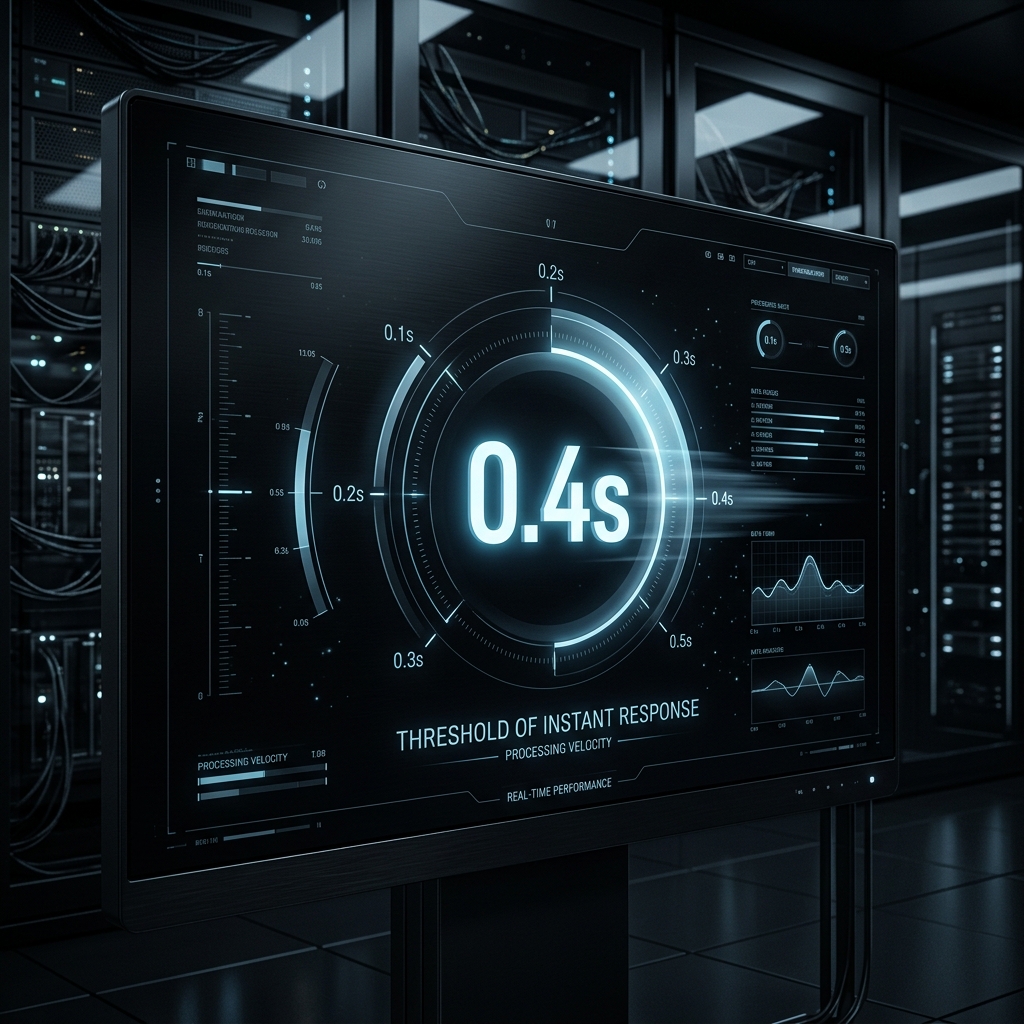
The Science Behind High-Performance Motion
Motion succeeds because human perception is temporal. Users do not just see states; they experience transitions between states. The brain actively predicts change, and motion either confirms or disrupts that prediction. Perceived performance is often more important than raw performance: a system with meaningful motion feedback feels faster than one that leaves the user staring at a blank screen.
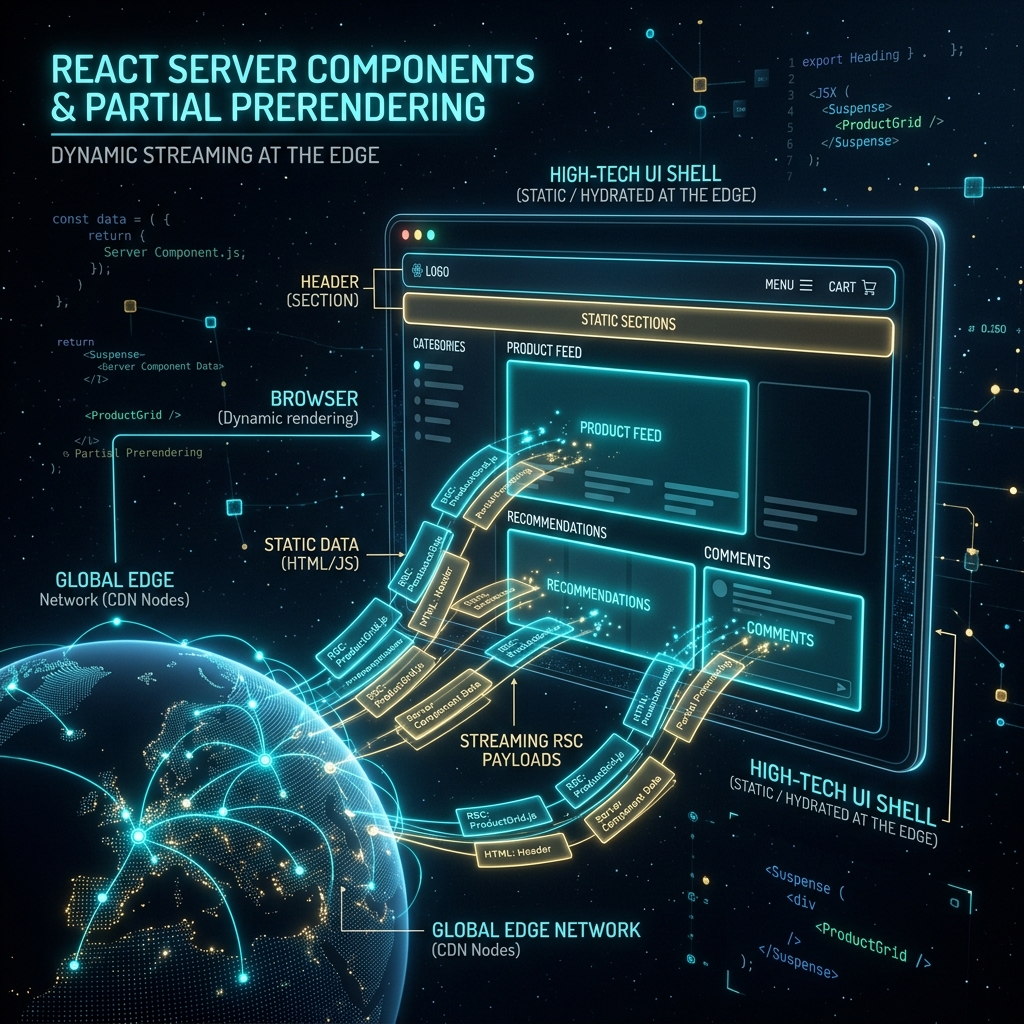
The Technical Stack Behind Kinetic UI
A serious motion system is built on technical decisions that determine whether animation remains fluid under real-world conditions. CSS transforms and opacity are the foundation, as they avoid expensive layout recalculations. Techniques like FLIP (First, Last, Invert, Play) allow for complex transitions between layout states without sacrificing performance.
Motion as Part of Design Systems
In enterprise architecture, motion must be encoded into the design system as motion tokens for duration, easing, and intent. Easing curves shape perceived quality—premium interfaces differentiate motion by context: quick feedback, steady navigation, and smooth content reveals. Component-driven motion scales better than page-level choreography.
Psychological Precision: Why Motion Influences Trust
Luxury users subconsciously inspect interfaces for craft. A precise transition signals that the product was engineered carefully, reinforcing brand authority. Temporal coherence—consistency across all state changes—reduces doubt and supports conversion confidence. Excessive motion, however, triggers defensive attention and must be avoided.
Conclusion: Precision Is the Real Luxury
Kinetic UI is not about making interfaces louder; it is about making them more exact. The best motion systems do not distract from the product; they expose its structure, reinforce its logic, and guide the user with near-invisible certainty. At EVDOPES, precision is the operating principle behind performance, trust, and silent conversion.