Headless Shopify: Warum Luxusmarken migrieren
Executive Summary
Traditional Shopify—monolithic, theme‑bound, and frontend‑constrained—cannot deliver the sub‑millisecond interactivity, narrative immersion, or design sovereignty that luxury consumers expect. Headless Shopify decouples the commerce engine from the presentation layer, enabling elite brands to architect bespoke experiences without sacrificing Shopify’s administrative backbone.
The Luxury Imperative—Why Monolithic Shopify Fails
Latency as Brand Dilution
Luxury is patience in service, not in performance. In high-end fashion, delay increases bounce rates catastrophically. Monolithic Shopify renders server-side Liquid and hydrates with client-side JavaScript, adding round trips for every interaction. Headless shifts rendering to the edge, serving static-site generated content in under 100ms. For a $2,000 handbag, that perception of speed is part of the product.

Design Sovereignty vs. Theme Constraints
Shopify’s theme architecture imposes a rigid hierarchy of sections and blocks. Luxury brands require complete creative liberation: asymmetrical grids, full-bleed cinematic video, and custom micro-interactions. Headless reduces Shopify to a pure data source, allowing any design system or interaction model to power a narrative-first editorial experience.
Technical Architecture of Headless Shopify
A production headless Shopify system comprises four distinct layers: Data (Admin API), Commerce Logic (Storefront API), Presentation (Next.js/Remix), and Orchestration (Middleware). This separation of concerns allows for aggressive edge caching and an optimized TTFB that is impossible in monolithic setups.
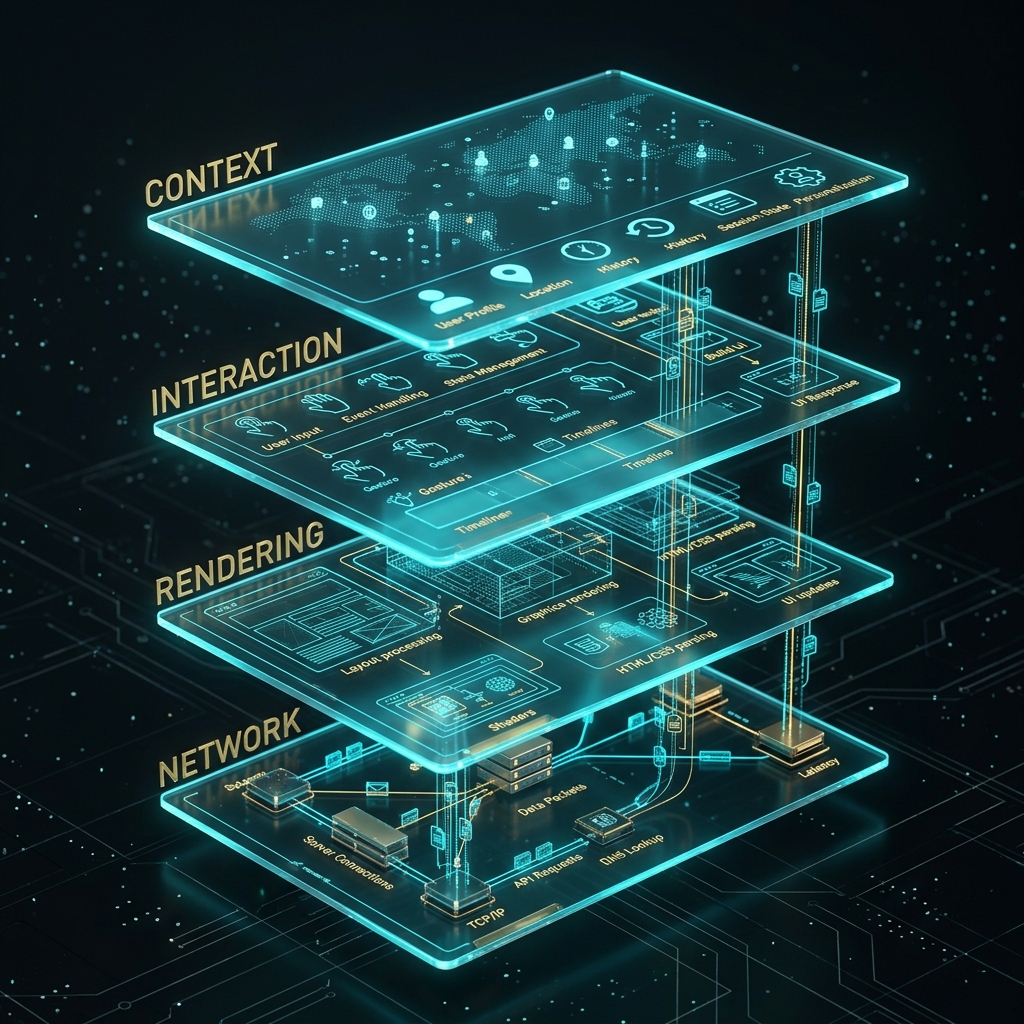
Migration Pathways—From Monolith to Headless
Luxury brands rarely tolerate downtime, so migration often follows an incremental approach—serving a headless frontend for specific collections while maintaining the monolith for the rest. Key challenges include bulk data synchronization using GraphQL and preserving SEO through rigorous URL mapping and canonical integrity.
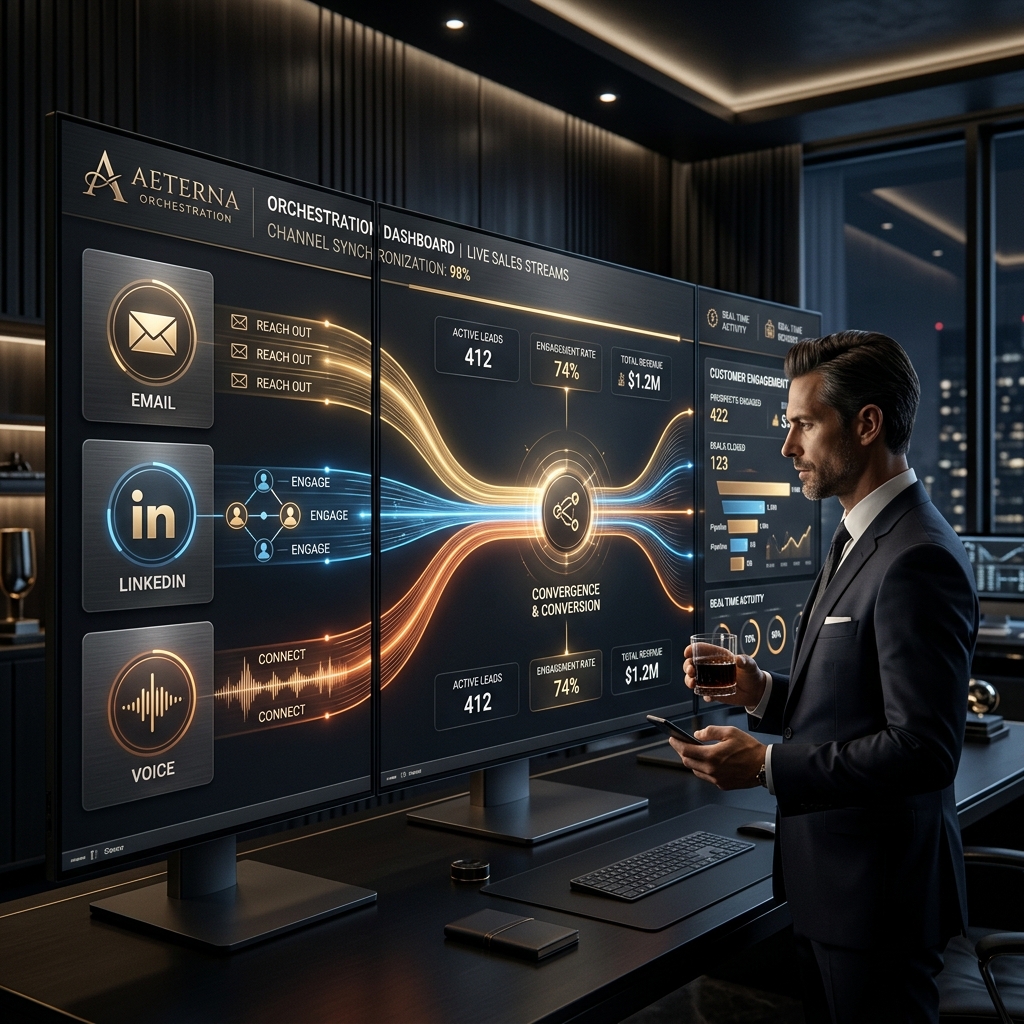
Performance Metrics That Matter for Luxury
Core Web Vitals are proxies for luxury UX. A well-architected headless store consistently achieves LCP under 1.5s and FID under 50ms. Speed correlates directly with conversion: a 0.1s improvement can yield a significant lift in project revenue, typically recouping implementation costs in under nine months.
Conclusion: Sovereignty Through Decoupling
Identity is the antithesis of identicality. Luxury brands do not migrate because it is trendy, but because it allows them to reclaim design sovereignty. The maintenance burden and app compatibility issues are real trade-offs, but for brands whose brand equity depends on digital experience, headless is not a compromise—it is an investment in pure, uninterrupted brand expression.